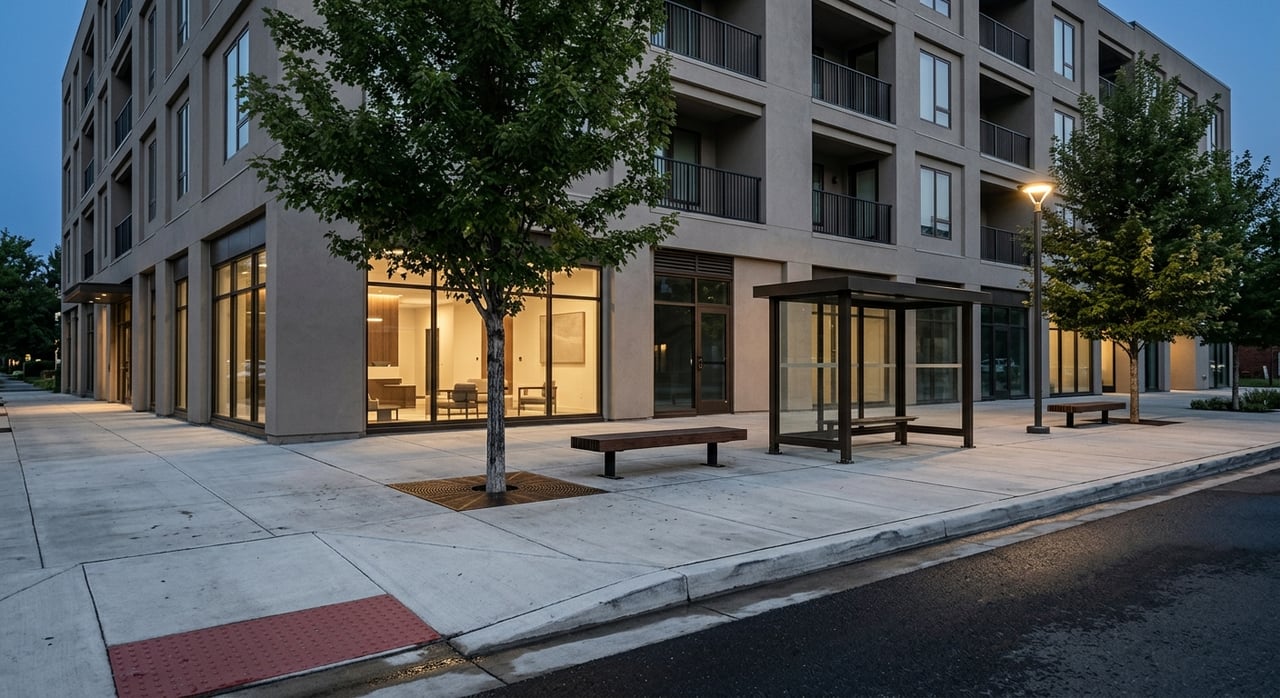
Exploring the Most Walkable Neighborhoods in Salt Lake City
April 16, 2026
April 16, 2026
If you want to spend less time in the car and more time enjoying Salt Lake City, where you live matters. Some neighborhoods make it much easier to walk to daily essentials, hop on transit, or bike to your next stop, while others feel more car-dependent block by block. In this guide, you’ll get a practical look at the most walkable neighborhoods in Salt Lake City to explore, plus what each area offers in terms of lifestyle, housing, and overall convenience. Let’s dive in.
Salt Lake City’s Walkable SLC project defines walkability around 15-minute access to everyday needs like grocery stores, parks, schools, and public transportation. The city also notes that walkability is best used as general guidance, not a precise block-by-block promise, because wide streets, long blocks, and separated land uses can make one area feel very different from the next.
That citywide context matters. Salt Lake City’s overall Walk Score is 59, which means the most walkable parts of the city are concentrated in a smaller group of neighborhoods and commercial districts. If your goal is a more car-light lifestyle, it also helps to look at walking and biking together, especially since Salt Lake City has a broad bike network, Neighborhood Byways, downtown protected bike lanes, and GREENBike options.
Downtown Salt Lake City stands out as the strongest all-around choice if you want to rely less on a car. According to the city’s Downtown Walkable SLC profile, 100% of downtown housing units are within a 15-minute walk of childcare, offices, parks, recreation, restaurants, retail, and TRAX stops.
That level of access is hard to match elsewhere in the city. Downtown is also described by the city as the most urban place in Utah and the center of the region’s transportation network, with TRAX, FrontRunner, protected bike lanes, and GREENBike helping support a true walk-and-transit lifestyle.
From a housing perspective, downtown tends to have more condos and apartments than many east-side neighborhoods. February 2026 pricing data in the research report shows a median sale price of $420,000, which is below the citywide median of $580,000. For buyers who want walkability without needing a detached home, downtown can be one of the more accessible entry points.
Central City is one of the best neighborhoods to explore if you want a mix of older homes, apartments, restaurants, transit, and local businesses. The city describes it as one of Salt Lake City’s oldest developed areas, with a blend of single-family dwellings, high-density apartments, offices, and businesses.
The broader area performs especially well for access to bus stops, parks, offices, restaurants, retail, schools, grocery stores, pharmacies, healthcare, and TRAX, according to the city’s combined Walkable SLC community profiles. That makes Central City one of the strongest practical choices for day-to-day convenience.
It also scores well for multimodal living. The research report notes a Walk Score of 87, a Transit Score of 58, and a Bike Score of 94 for Central City. Pricing varies a lot by boundary, but the area includes a range of options from condo inventory to historic homes, which gives buyers more flexibility depending on budget and home style.
East Central is closely tied to Central City but tends to feel a bit more residential. City materials describe eclectic architecture, small shops, office buildings, student housing, large Victorian residences, and bungalows, which gives the area a varied and established feel.
For buyers who want walkability but also want a neighborhood with older housing and quieter residential blocks, East Central is worth a close look. The research report places East Central’s February 2026 median sale price at $619,000, reflecting its east-side location and housing mix.
Within this east-side core, 9th & 9th is often one of the first areas people think of when they picture walkable Salt Lake City living. The city highlights the district for boutique shops, farm-to-table dining, and outdoor art.
That local commercial node helps create the kind of neighborhood where you can walk to coffee, dinner, and small retail in a compact setting. If you like a lively, established area with personality, 9th & 9th is one of the strongest lifestyle-driven picks in the city.
Sugar House remains one of Salt Lake City’s most recognizable walkable neighborhoods. The city describes it as a pre-automobile village-style neighborhood, and the Sugar House district overview points to a business district known for shopping, dining, services, entertainment, and recreation.
The Walkable SLC data show 100% bus-stop access and 100% retail access, along with very strong restaurant, healthcare, trail, and recreation access. The tradeoff is that TRAX access is not as strong here as it is downtown or in Central City, and grocery access is more moderate.
Even with that tradeoff, Sugar House feels highly livable on foot for many people. It also continues to build momentum for car-light living, with the UTA S-Line extension project expected to reach Highland Drive and Simpson Avenue in 2026. For buyers, the neighborhood’s housing stock includes many older bungalows and single-family homes, along with some loft and condo redevelopment near the business district. The February 2026 median sale price in the research report was $655,000.
If you are drawn to historic architecture and a classic Salt Lake City setting, the Avenues is one of the most distinctive neighborhoods to explore. City preservation materials describe it as the city’s largest historic district, developed mainly between 1880 and 1930, with residences, historic apartment buildings, and some neighborhood-scale shops and restaurants.
That historic housing stock is a big part of the neighborhood’s appeal. The area includes Victorian, bungalow, and period-revival architecture, along with a mix of apartments and smaller commercial uses.
From a walkability standpoint, most Avenues housing units are within a 15-minute walk of essential amenities, based on the city’s community profiles. Still, the neighborhood has more variation than downtown or Central City. Bus access is strong, but grocery and TRAX access can be weaker in the upper Avenues and Federal Heights, where slope, narrow roads, and more single-family zoning affect how practical walking feels from one block to the next.
The Avenues is also one of the pricier walkable options in Salt Lake City. The research report lists a February 2026 median sale price of $719,250.
Capitol Hill is a strong option if you want historic housing and proximity to downtown. The city describes it as Salt Lake City’s oldest surviving residential area, known for steep streets, historic homes, and local shops and restaurants.
According to the city, Capitol Hill shows strong access to bus stops, grocery stores, restaurants, retail, trails, and TRAX. The main weaker points are pharmacies and hospitals, and topography matters here too. As you move farther into the foothills, walkability can become less practical.
That said, Capitol Hill offers a compelling mix of character and convenience. Housing includes historic mansions, cottages, and other older residential styles, and the research report places the February 2026 median sale price at $606,160.
Liberty Wells is often a smart neighborhood to explore if you want an east-side location with character and a somewhat lower price point than some nearby alternatives. The city notes that the neighborhood sits near Sugar House, 9th & 9th, Liberty Park, downtown, public transportation, and freeway connections, and that 1,923 buildings are historic structures.
The research report gives Liberty Wells a Walk Score of 77, a Transit Score of 47, and a Bike Score of 91. That combination makes it appealing for buyers who want good bikeability, solid everyday access, and older housing stock without stepping into the higher pricing often seen in Sugar House or the Avenues.
The neighborhood is known for older cottages and bungalows, and the February 2026 median sale price in the research report was $536,000. For many buyers, that makes Liberty Wells one of the more value-oriented walkable neighborhoods in Salt Lake City.
Not all walkability looks the same. Some neighborhoods are best for true car-light living, while others offer a walkable commercial core but may still depend on transit, biking, or occasional driving depending on your exact block.
Here’s a simple way to think about the options:
Price is also part of the conversation. Based on the research report’s February 2026 data, downtown and Liberty Wells offer lower entry points among these walkable areas, while Sugar House and the Avenues tend to command a premium. Central City deserves extra caution because pricing can vary significantly depending on which boundaries are being used.
When you explore walkable neighborhoods in Salt Lake City, it helps to look beyond the neighborhood name. Two homes in the same area can offer very different day-to-day experiences depending on slope, access to transit, proximity to a commercial node, and how comfortable the surrounding street grid feels on foot or by bike.
That is especially true in neighborhoods like the Avenues, Capitol Hill, and parts of Sugar House, where topography or distance from transit can shape how convenient the area feels in real life. If you are buying with walkability in mind, it is worth matching your housing type, budget, and transportation habits to the right micro-location.
If you want help narrowing down which Salt Lake City neighborhood fits your lifestyle, budget, and long-term goals, Jennifer Jumbelic can help you compare options with candid local guidance and a patient, relationship-first approach.
Stay up to date on the latest real estate trends.
She earns the respect of her clients by working tirelessly on their behalf and by always offering them candid advice. Jennifer also utilizes the latest technologies and is supported by a full time marketing team, agents Bobby Vigil and Michael Hernandez along with her transaction manager Amy Tate, all of whom share her attention to detail and passion for perfection. Contact her today!