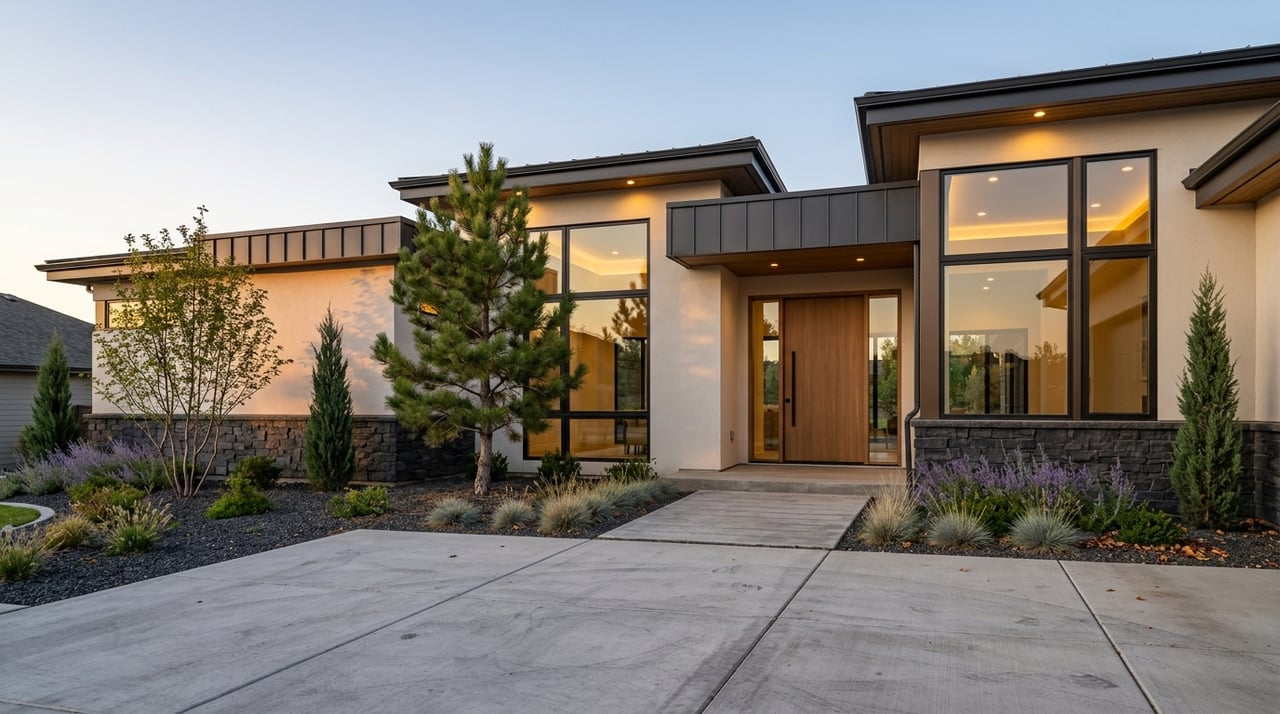
How to Price Your Herriman Home Correctly Today
July 2, 2026
July 2, 2026
Wondering how to price your Herriman home when the city keeps growing, new homes keep appearing, and buyers have more choices than you might think? You are not alone. In a fast-growing market, the right price can help you attract serious interest early, avoid sitting too long, and protect your bottom line. Let’s break down what smart pricing looks like in Herriman right now.
Herriman is not a one-size-fits-all market. The city’s July 2025 population estimate was 63,282, up 14.7% from the April 2020 estimate base, and long-term city planning points to continued residential growth. That growth supports demand, but it also means your home is competing in a market that keeps changing.
Citywide numbers are helpful, but they are only a starting point. Zillow shows a typical Herriman home value of $609,825, with homes going pending in about 22 days, while Redfin reports a median sale price of $625,922 over the prior three months ending April 2026 and 69 days on market. Those figures are not a contradiction. They use different methods and timeframes, which is exactly why your list price should lean on hyper-local comps instead of broad averages.
Salt Lake County is a useful backdrop, but it should not drive your pricing strategy in Herriman. Countywide data shows lower typical values than Herriman and a faster pace in some reports, which can make your market look hotter or more uniform than it really is.
If you price off county numbers alone, you can miss what buyers are actually comparing in Herriman. A home here may have a different demand pattern, different competition, and a different price ceiling than a similar-looking property elsewhere in the county. The best pricing decisions come from nearby, recent, truly comparable sales.
In Herriman, neighborhood and subdivision differences matter. Zillow’s neighborhood values range from about $401,634 in Hoffman Heights to $597,360 in Terrace Ridge, with other areas like Diamond Summit at $565,330, Park Ridge at $534,326, Georgetown at $478,440, and West Point at $460,357. That spread shows how much location within the city can affect value.
If your home is in a newer subdivision, do not rely on older or less similar comps from across town. Buyers notice differences in lot size, home age, finishes, floor plan, basement finish, and how the subdivision presents overall. Your price should reflect the homes buyers see as real alternatives, not just homes with the same bedroom count.
When reviewing comps, focus on homes that are as similar to yours as possible in:
A larger lot, better view, or finished basement can move value. So can a newer build or stronger finish level. In Herriman, those details often matter more than broad city averages.
One of the biggest pricing mistakes in Herriman is ignoring builder competition. The city continues to grow, and planning documents and subdivision tracking show that new development remains part of the local housing picture. Even if a buyer prefers resale, they are still likely comparing your home to nearby new construction.
That matters because builders often compete aggressively. Research cited in the report found that 15.1% of new-build listings had a price reduction in 2025 Q3, and buyers of new construction often secured lower mortgage rates than buyers purchasing existing homes. Even when the sticker price looks close, builder financing incentives can make a new home feel more affordable month to month.
If a buyer can get a new home nearby with incentives, your resale listing has to make clear financial sense. That does not always mean pricing below new construction, but it does mean being realistic.
You may need to sharpen your price if nearby builders are offering:
This is especially important if your home backs to active development, sits in a subdivision with ongoing phases, or competes with recently built homes that feel move-in ready.
Herriman’s housing profile gives useful context for what buyers care about. Census QuickFacts reports an owner-occupied housing rate of 78.6%, median household income of $122,650, 3.38 persons per household, 34.6% of residents under age 18, and an average commute time of 27.1 minutes.
For you as a seller, that suggests many buyers are balancing space, function, location, and monthly payment all at once. They are not just shopping by price. They are asking whether a home works for daily life, commute patterns, and long-term value.
In this kind of market, buyers tend to pay close attention to practical features such as:
That means certain upgrades matter more than others. Clean condition, updated finishes, and usable square footage often support pricing better than highly personal design choices.
In a growing market, it is tempting to test a high number and see what happens. Sometimes that works, but often it costs you the strongest early momentum. Buyers watch new listings closely, and the first days on market usually bring the clearest signal about whether your price is landing.
Herriman still shows signs of activity, but not every home is flying off the shelf. Zillow reports pending timelines around 22 days, while Redfin reports longer days on market across a different time window. The takeaway is simple: buyers are active, but they are also selective.
A strong strategy is usually to price where you can compete immediately with the best available alternatives. That helps you:
A home that is priced just outside its true comp range can lose buyers fast, especially when they have builder options or better-matched resale choices nearby.
If your home launches and showings are quiet, the market is giving you useful feedback. In most cases, low showing activity points to a pricing issue before it points to a marketing issue, especially if the home is presented well.
The key is to respond before the listing feels stale. In a market with ongoing inventory and new construction competition, waiting too long can make the next price reduction less effective.
Watch for patterns like these:
A thoughtful price improvement can reopen buyer interest. The goal is not to chase the market down. It is to realign quickly enough to stay competitive.
Seasonality still plays a role, even in a growth market. National 2026 research identified mid-April as a strong listing window, and broader market patterns often show prices peaking in June or July. For Herriman sellers, the bigger lesson is to prepare early rather than waiting until inventory builds.
If you know a move is coming in the next 6 to 12 months, planning ahead can give you more control. That means getting a pricing opinion early, understanding your likely competition, and making updates before the busiest part of the season arrives.
The best price for your Herriman home is not pulled from a headline, an automated estimate, or a county average. It comes from matching your home to the right local comps, weighing subdivision-level differences, and accounting for current competition, including nearby builder inventory.
In a fast-growing market like Herriman, pricing discipline matters. When your price reflects what buyers are truly comparing, you are more likely to attract strong interest, move on a reasonable timeline, and keep more leverage throughout the sale.
If you want candid guidance on where your home fits in today’s Herriman market, Jennifer Jumbelic can help you build a pricing strategy that is local, thoughtful, and grounded in the numbers.
Stay up to date on the latest real estate trends.
She earns the respect of her clients by working tirelessly on their behalf and by always offering them candid advice. Jennifer also utilizes the latest technologies and is supported by a full time marketing team, agents Bobby Vigil and Michael Hernandez along with her transaction manager Amy Tate, all of whom share her attention to detail and passion for perfection. Contact her today!