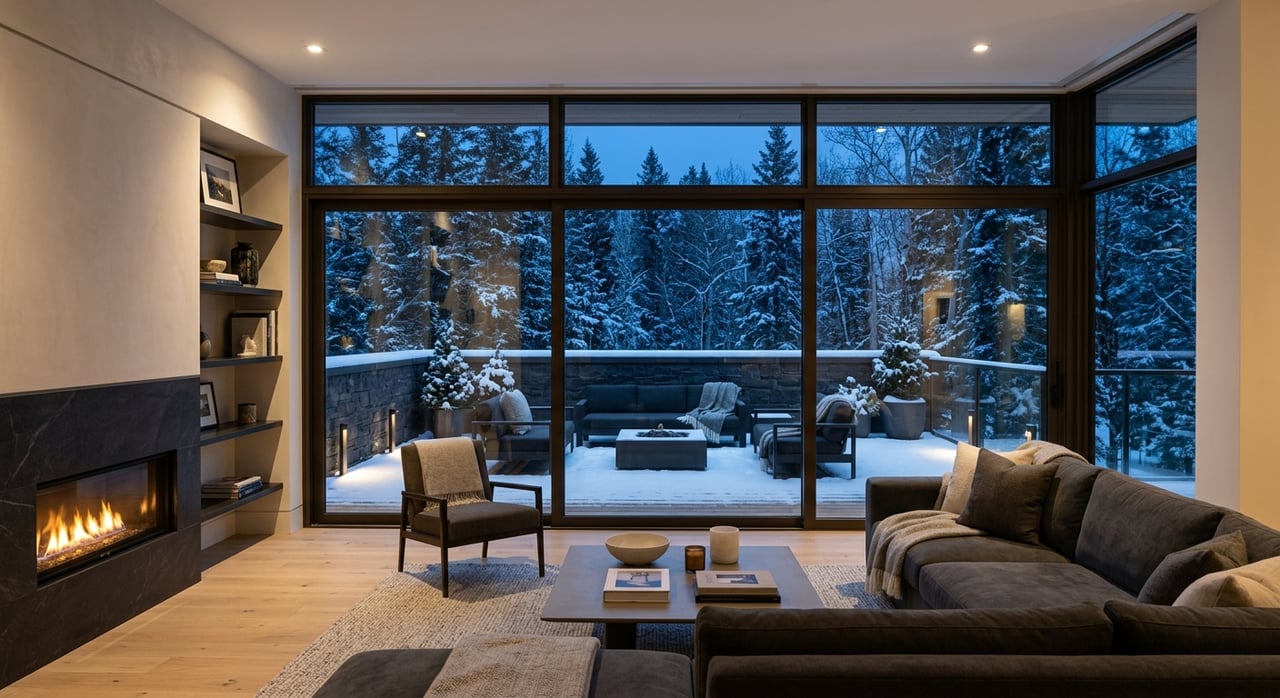
Is Owning a Second Home in Park City Right for You?
May 7, 2026
May 7, 2026
Wondering if a second home in Park City is all powder days, summer trails, and easy lock-and-leave ownership? The lifestyle can be incredible, but this is also a resort market with very real carrying costs and planning needs. If you are thinking about buying a mountain retreat here, it helps to understand both the rewards and the ongoing responsibilities before you make a move. Let’s dive in.
Park City does not behave like a typical suburban housing market. City housing material shows that only about one-third of housing units are occupied by year-round residents, while nearly 60% of the housing stock is used seasonally or recreationally.
That matters because the market is shaped by second-home owners, resort activity, and part-time use. It also means your buying decision is often less about a daily commute and more about lifestyle, seasonal access, upkeep, and how you plan to use the property throughout the year.
The city also reports that up to 85% of the workforce commutes from outside Park City. In practical terms, that reinforces how distinct Park City is from a typical primary-residence market in the Wasatch Front.
If you are shopping in Park City, the first big reality is price. In Q1 2026, Park City proper posted a median single-family home price of $4.016 million and a median condo price of $2.4 million.
Broader surrounding submarkets can offer different entry points. In the Primary Market Area, the median single-family price was $2.2 million and the median condo price was $1.25 million. Snyderville Basin condos posted a median of $925,000, while Jordanelle condos reached $1.57 million.
That spread is important. In Park City, price depends heavily on location, age, amenities, and property type, so there is no one-size-fits-all budget target.
| Area | Single-Family Median | Condo Median |
|---|---|---|
| Park City Proper | $4.016M | $2.4M |
| Primary Market Area | $2.2M | $1.25M |
| Snyderville Basin | N/A | $925K |
| Jordanelle | N/A | $1.57M |
A second-home budget in Park City should go well past mortgage or cash-to-close numbers. Carrying costs can materially change the true cost of ownership, especially if the home sits vacant for stretches of the year.
This is where a relationship-first approach matters. You want to look at the full monthly and annual picture, not just the list price and projected appreciation.
Utah taxes secondary residences at 100% of assessed value, while primary residences are taxed at 55%. For Park City-related levies in 2025, the combined rate for a typical parcel is about 0.529% of taxable value, though exact bills vary by district and parcel.
Using that rate as a rough example, annual property tax would be about $21,160 on a $4 million home and about $10,554 on a $2 million home. These are estimates, not parcel-specific tax bills, but they are useful for early planning.
Park City’s FY26 water update lists a $75 monthly base rate for a single-family account, including the first 2,000 gallons. Additional use is billed in tiers at $7, $10, $20, and $37.84 per 1,000 gallons, depending on usage.
For second-home owners, water matters for more than just cost. The city allows owners to monitor consumption and set high-usage notifications, which can be especially helpful if you are away for long periods or managing seasonal irrigation.
Trash and recycling are simpler to estimate. Summit County says residential solid-waste service is billed at $80 per year, and Park City is included in the county’s curbside recycling program with biweekly pickup.
Insurance deserves close attention in Park City. The local board’s Q1 2026 report notes that fire-risk reclassifications continued to push homeowner insurance premiums higher in parts of Summit and Wasatch counties.
For absentee owners, insurance pricing can matter even more because seasonal vacancy, wildfire-related risk, and maintenance expectations may all influence your costs and coverage options. This is one of the line items worth reviewing early, not after you are already under contract.
If you are leaning toward a condo or townhome, HOA dues can be one of the largest recurring costs. The local market guidance suggests reviewing the association budget, reserve study, and CC&Rs before relying too heavily on the purchase price alone.
That review can tell you a lot about the property’s true carrying cost and how well the community is planning for repairs and long-term maintenance. For many second-home buyers, this is where the numbers become much more specific.
A Park City second home can be magical in winter, but snow logistics are not something to figure out on the fly. The city’s winter operations run from Nov. 1 through Apr. 30, with main roads, bus routes, and core business areas cleared first.
Residential streets and cul-de-sacs are addressed later. If you plan to arrive for a ski weekend after a storm, that timing can affect access and convenience.
The city also warns that snow can pile up at the end of driveways and that parking restrictions apply during snow emergencies. If your property includes sidewalks or stairways in Tier II areas, the adjacent owner must clear them within eight hours after a storm ends.
In other words, a second home here needs a snow plan before winter starts. That may include a contractor, scheduled service, arrival prep, and a clear understanding of where snow can and cannot be pushed under local rules.
One local contractor advertises one-time snow removal at a $175 per hour minimum. Even if your actual vendor and property needs differ, it is a good reminder that snow service in Park City is an operating expense, not just an occasional convenience.
One of the biggest second-home decisions is not just what you buy, but how you plan to live in it. Are you looking for a private family retreat, a flexible lock-and-leave condo, or a property that may generate income when you are not there?
Your answer can shape almost every part of your search, from location to HOA rules to management needs. It can also narrow which neighborhoods and property types make the most sense for you.
If the goal is mostly personal use, you may prioritize ease of maintenance, proximity to the activities you enjoy, and simpler winter access. In that case, a well-managed condo or townhome may feel more practical than a large detached home that needs more hands-on oversight.
You may also care less about nightly-rental rules and more about straightforward ownership costs, reliable property access, and reduced maintenance demands while you are away.
Park City defines a nightly rental as a stay of under 30 days. The city allows nightly rentals in most zoning districts, but not all, and the heaviest concentration is in Old Town and resort neighborhoods.
If rental income is part of your strategy, zoning and HOA rules need to be central to your search from day one. A property that seems perfect on paper may not match your goals if the location or association rules limit how you can use it.
Because many owners are away for long stretches, Park City has a strong second-home management ecosystem. Local firms commonly offer weekly or monthly check-ins, routine inspections, winterization, vendor coordination, HOA support, and general vacation-home oversight.
That kind of support can be valuable even if you do not plan to rent the home. It helps protect the property, catch issues early, and reduce the stress of managing a mountain home from another city or state.
For remote and out-of-state buyers, this is often one of the smartest parts of the ownership plan. A beautiful property is only part of the equation. Reliable systems for care, access, and seasonal prep are what make ownership feel easy.
For many buyers, the answer is yes, but only when the decision is grounded in the full picture. Park City offers a rare blend of recreation, scenery, and year-round lifestyle appeal, yet ownership comes with resort-market realities like higher entry prices, full-value taxation for secondary residences, winter service needs, and ongoing management planning.
The right property is the one that fits both your lifestyle and your operating comfort. When you understand the true costs and how you plan to use the home, you can buy with much more confidence.
If you are exploring a second home in Park City and want candid guidance on price bands, carrying costs, and which property type best fits your goals, Jennifer Jumbelic can help you build a smart, realistic plan.
Stay up to date on the latest real estate trends.
She earns the respect of her clients by working tirelessly on their behalf and by always offering them candid advice. Jennifer also utilizes the latest technologies and is supported by a full time marketing team, agents Bobby Vigil and Michael Hernandez along with her transaction manager Amy Tate, all of whom share her attention to detail and passion for perfection. Contact her today!