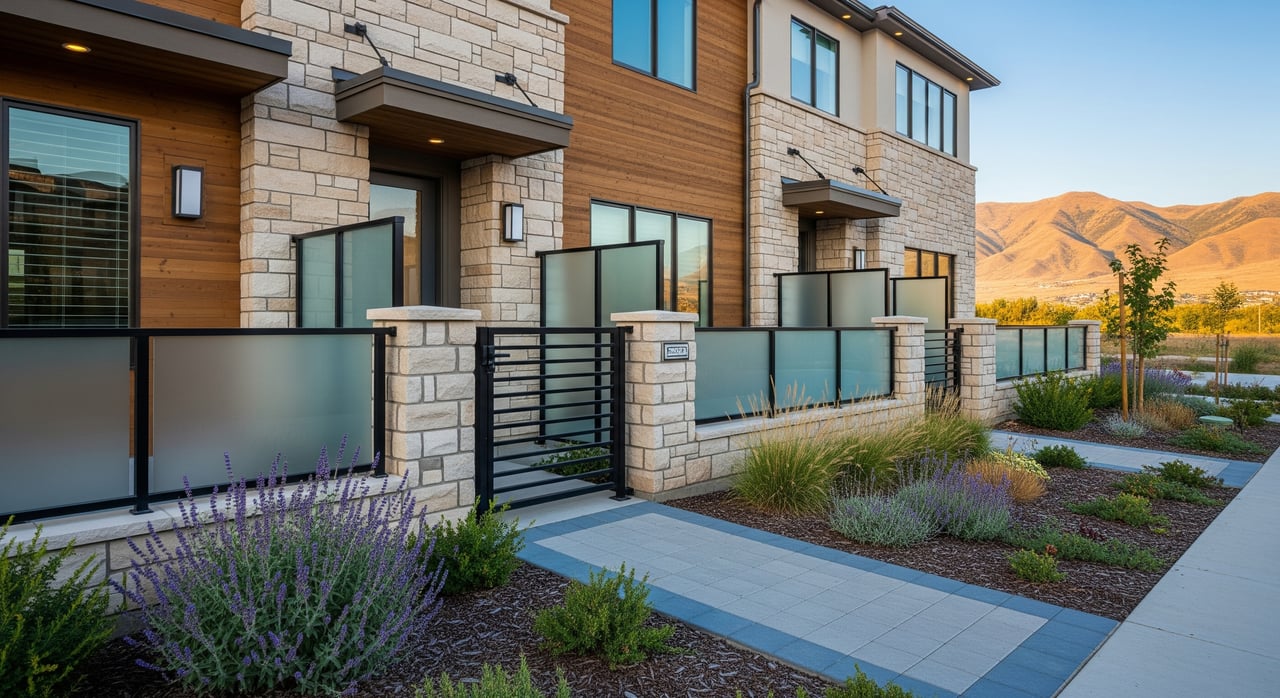
Herriman Townhomes: HOA vs No HOA Explained
December 18, 2025
December 18, 2025
Trying to decide between a Herriman townhome with an HOA or one without? You are not alone. Many buyers here weigh monthly costs against rules, amenities, and maintenance. In a fast-growing city with lots of new construction and master-planned communities, the choice can feel complex. This guide gives you a clear, local look at the trade-offs so you can move forward with confidence. Let’s dive in.
Herriman has seen rapid growth, and many new townhomes sit inside master-planned communities with homeowners associations. HOAs are common, but you will also find fee-simple or minimal-association townhomes that limit shared responsibilities. Buyers often balance commute routes like Mountain View Corridor and I‑15, proximity to Jordan School District schools, and newer builds with fewer immediate repairs. That is why comparing HOA vs no HOA is a practical step before you tour.
HOA dues typically fund maintenance and services you share with neighbors. Common items include landscaping for shared areas, private street upkeep, and snow removal on shared drives and sidewalks. Many associations also maintain amenities like clubhouses, pools, playgrounds, fitness rooms, or trails in master-planned communities.
Exterior care varies by legal setup. In condominium-style townhomes, the association often maintains exteriors and the roof, and master insurance may cover building shells. In planned-unit townhome communities with fee-simple lots, exterior responsibilities depend on the CC&Rs. Always confirm what the association handles and what remains yours.
With an HOA, you trade a monthly fee for predictable services and a level of maintenance planning. That predictability can make budgeting easier, but dues can rise and special assessments may occur if reserves fall short. In a no-HOA property, you avoid monthly dues, but the cost of a roof, siding, or driveway will come from your own savings. Plan for irregular, sometimes large, expenses over time.
A well-managed HOA maintains a reserve study and funds future repairs. Review the latest reserve study, reserve balance, and recent budgets. Frequent special assessments or low reserves paired with visible deferred maintenance are warning signs.
HOA master policies usually cover common elements and sometimes building exteriors. You still need an HO‑6 policy for interior finishes, personal property, and liability, plus coverage for any loss assessments. In a no-HOA setup, you insure both the interior and exterior. Ask for the HOA’s insurance declarations, including coverage limits and deductibles, and confirm with your insurance provider how your personal policy should be structured.
Condominium projects often have extra lender requirements, such as project approval, reserve levels, owner-occupancy thresholds, and insurance standards. Some projects may be non-warrantable, which limits loan options and can slow underwriting. Fee-simple townhomes that are not in a condo regime are often treated like single-family homes for lending, which can be simpler.
Before you write an offer, confirm whether the project is warrantable for conventional mortgages. Lenders will look at things like insurance, occupancy mix, budget health, and any litigation. Solid documentation can expand your buyer pool later when you sell.
HOA townhomes tend to attract buyers who want low-maintenance living, amenities, and a consistent look across the community. That convenience can help with resale in areas where HOAs are the norm. On the other hand, dues reduce monthly affordability, and rules about rentals, pets, parking, or exterior changes can be deal-breakers for some buyers.
No-HOA townhomes appeal to buyers who want lower monthly payments and more flexibility to customize. These homes can stand out in Herriman, especially for owners who prefer fewer restrictions. Still, the responsibility for exterior upkeep can deter buyers who want turnkey convenience.
If you value convenience, shared amenities, and managed exterior care, an HOA townhome may be the right fit. If you prioritize monthly savings and the freedom to customize, a no-HOA townhome could be better. In Herriman, both options exist, so align your choice with your budget, your tolerance for rules, and your willingness to manage maintenance.
When you are ready to compare homes side by side, get local guidance that is candid and practical. Connect with Jennifer Jumbelic for a tailored game plan. Let’s Connect — Get Your Home Valuation or Start Your Search.
Stay up to date on the latest real estate trends.




She earns the respect of her clients by working tirelessly on their behalf and by always offering them candid advice. Jennifer also utilizes the latest technologies and is supported by a full time marketing team, agents Bobby Vigil and Michael Hernandez along with her transaction manager Amy Tate, all of whom share her attention to detail and passion for perfection. Contact her today!